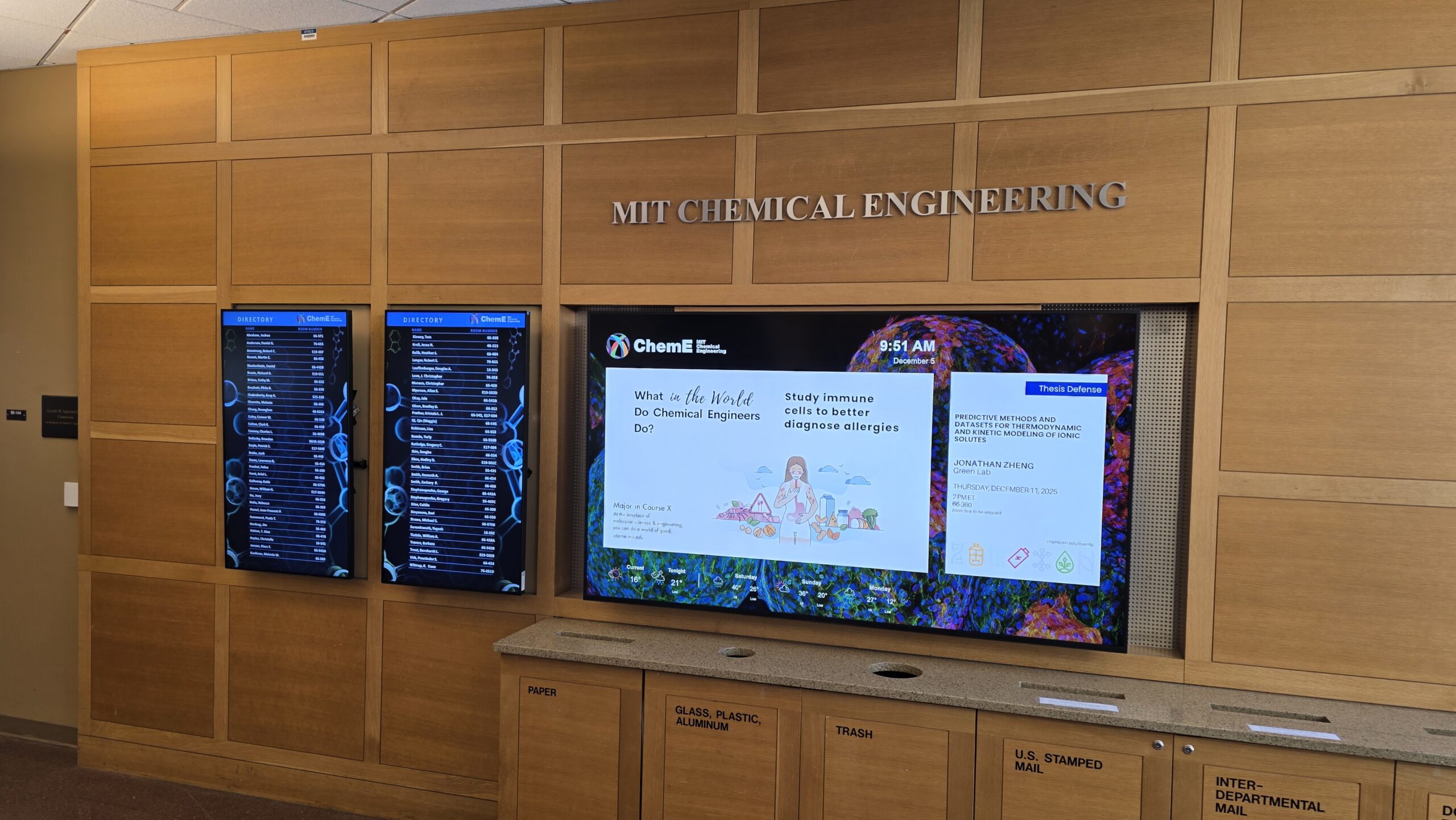
I have visited UMass Lawell Campus, HARVARD and MIT at the end of November 2025 for visiting laboratories on flow battery research and discussion about research, development and cooperation possibilities.


I have visited UMass Lawell Campus, HARVARD and MIT at the end of November 2025 for visiting laboratories on flow battery research and discussion about research, development and cooperation possibilities.


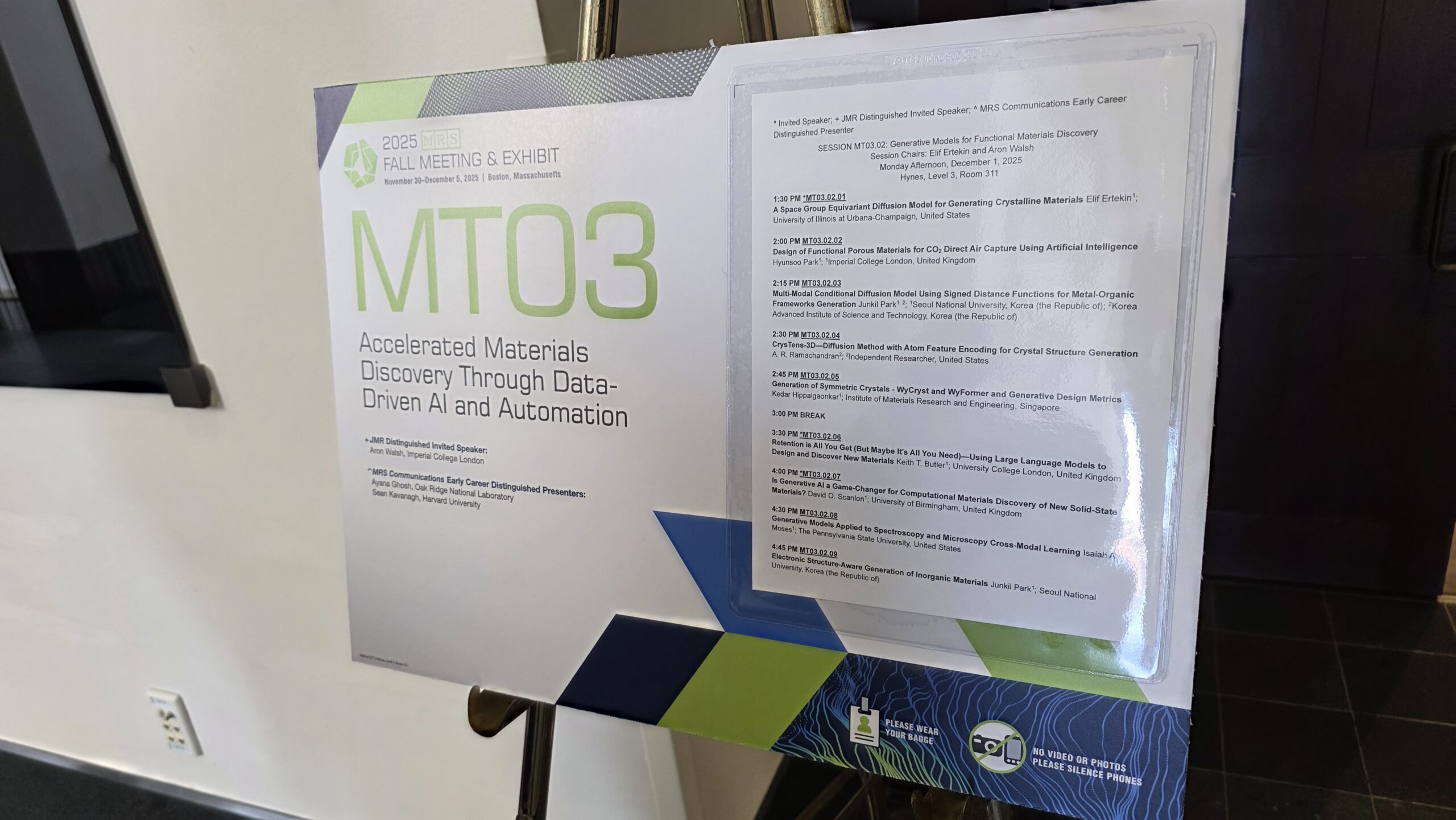
After 7 years I visited MRS Fall 2025 again. It is always impressive what new and how many new and interesting materials and methods are developed which can be introduced into electrochemical energy storage and electrochemistry.
I had an interview with Deutsche Welle about Flow Batteries for Energy Storage:
Redox-flow batteries (RFBs) are emerging as a key technology for stabilizing renewable energy systems. They store energy in liquid electrolytes contained in external tanks, allowing flexible scaling of capacity and long operational lifetimes. This makes them ideal for medium-duration energy storage—bridging the gap between short-term lithium-ion batteries and long-term hydrogen solutions.
Germany is a global leader in RFB development, driven by research institutions such as the Fraunhofer Institute for Chemical Technology and several specialized companies. Dr. Jens Noack emphasizes the importance of international standardization, particularly within the IEC and EU frameworks, to ensure quality, comparability, and interoperability of systems and materials.
Through innovation and coordinated standardization efforts, Germany aims to strengthen its role as a “hidden champion” in redox-flow technology and support a more resilient, sustainable energy infrastructure.
The complete interview is available here: https://www.dke.de/de/arbeitsfelder/components-technologies/news/hidden-champion-redox-flow-batterien
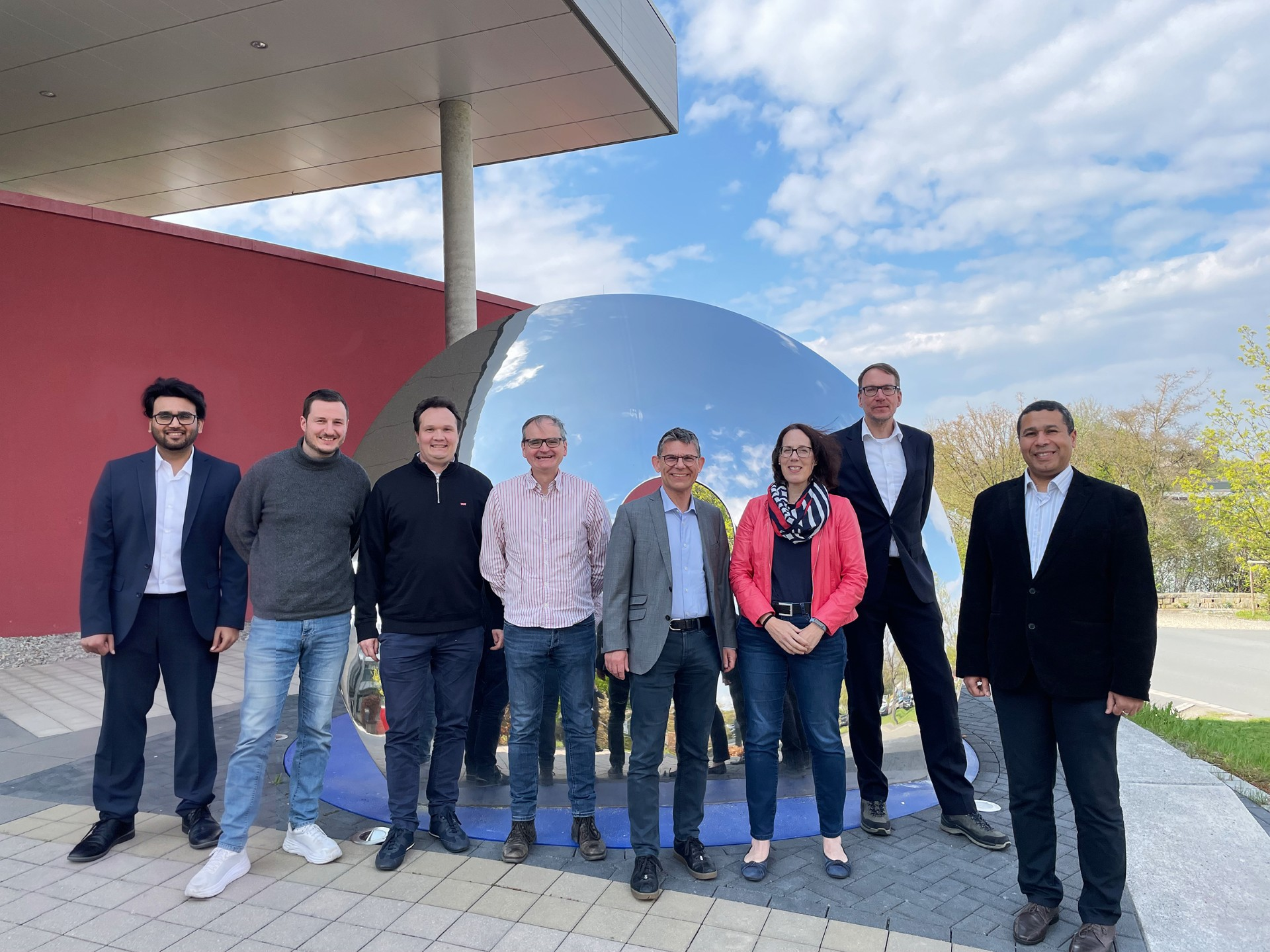
On September 1st, 2025, the Marie Curie project SPACER was launched. Following PREDICTOR in 2024, it is the second concurrent MSCA project in which the RFB group at Fraunhofer ICT participates and acts as coordinator.
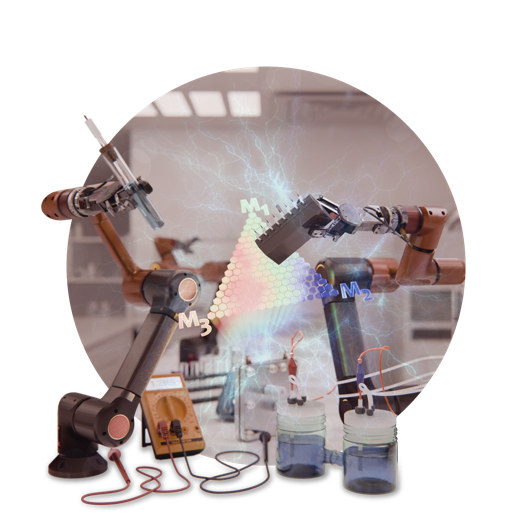
The MSCA Doctoral Network SPACER (“Shaping Porous Electrode Architecture to Improve Current Density and Energy Efficiency in Redox Flow Batteries”) aims to develop novel, hierarchically structured electrodes for redox flow batteries (RFBs) capable of achieving high current densities (~1 A cm⁻²) and energy efficiencies above 85–90%, while reducing electrode costs by up to 50% compared to current technologies.
SPACER integrates multiscale modeling, innovative electrode fabrication (such as stereolithography, 3D printing, and textile-based approaches), and advanced characterization techniques (including EPR) in three iterative development cycles (micro, meso, and macro). Optimized electrode architectures will be validated in mini-stacks (TRL 6) in collaboration with industrial partners.
The project also provides a structured training program for 17 PhD researchers across 10 European countries, fostering interdisciplinary expertise at the interface of materials science, electrochemistry, modeling, and device integration.
By combining fundamental research with applied validation, SPACER aims to significantly advance the development of cost-effective, high-performance energy storage technologies, while training a new generation of experts in porous electrode design to support Europe’s energy transition.